


Buyer's Home Inspection Checklist: Your Guide to a Confident Purchase
- Matthew Foley
- Feb 2
- 4 min read
Buying a home is one of the most significant decisions you will make. It’s exciting, but it can also feel overwhelming. One of the best ways to protect yourself and your investment is through a thorough home inspection. This process uncovers potential issues and helps you understand the true condition of the property. I want to share a clear, practical buyer's home inspection checklist that will guide you step-by-step. This way, you can approach your home purchase with confidence and peace of mind.
Why a Home Inspection Matters
A home inspection is more than just a formality. It’s a detailed examination of the property’s structure, systems, and components. The goal is to identify any problems that could affect the safety, functionality, or value of the home. When you know what you’re dealing with, you can negotiate repairs, adjust your offer, or even walk away if necessary.
For example, discovering a faulty roof or outdated electrical wiring before closing can save you thousands of dollars and a lot of stress. A home inspection also helps you plan for future maintenance and improvements. It’s an investment in your security and satisfaction.
Your Buyer's Home Inspection Checklist
Here’s a practical checklist to help you focus on the key areas during your home inspection. You don’t need to be an expert—just keep these points in mind and ask your inspector to explain anything unclear.
1. Exterior and Foundation
Roof condition: Look for missing shingles, leaks, or signs of wear.
Gutters and downspouts: Ensure they are intact and direct water away from the foundation.
Foundation: Check for cracks, settling, or moisture issues.
Siding and paint: Look for damage, rot, or peeling paint.
Windows and doors: Confirm they open, close, and seal properly.
2. Interior Structure and Systems
Walls, ceilings, and floors: Watch for cracks, stains, or uneven surfaces.
Plumbing: Test faucets, toilets, and look for leaks or water damage.
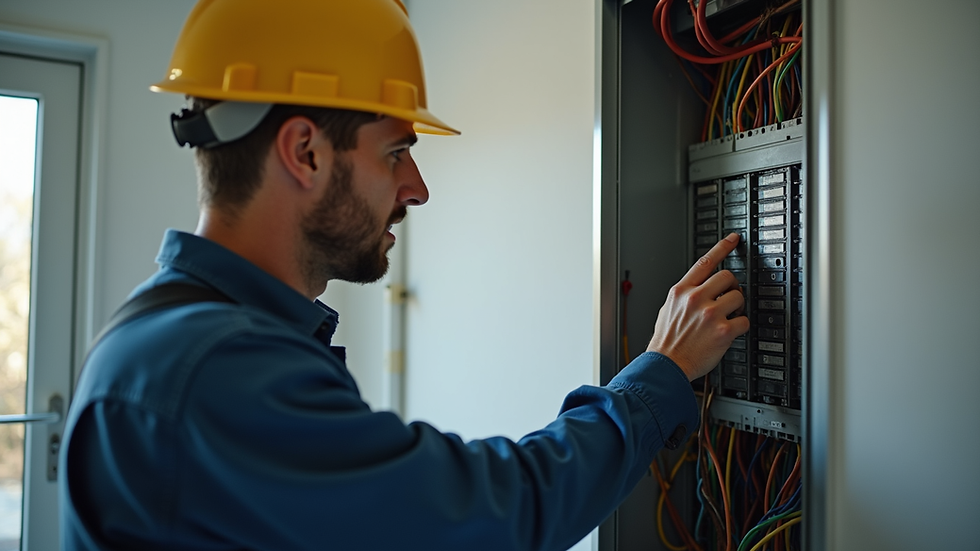
Electrical system: Check outlets, switches, and the breaker panel for safety.
Heating and cooling: Verify the HVAC system works efficiently.
Insulation and ventilation: Ensure proper insulation and airflow in the attic and crawl spaces.
3. Kitchen and Bathrooms
Appliances: Test all included appliances for functionality.
Cabinets and countertops: Look for damage or signs of water exposure.
Fixtures: Check sinks, showers, tubs, and toilets for leaks or drainage issues.
Ventilation: Confirm exhaust fans work to prevent mold and moisture buildup.
4. Safety Features
Smoke and carbon monoxide detectors: Ensure they are installed and operational.
Stairways and railings: Check for stability and safety.
Fireplaces and chimneys: Inspect for cracks, blockages, or damage.
Pest inspection: Look for signs of termites or other pests.

What Would Fail a Home Inspection?
Understanding what could cause a home inspection to fail helps you prepare and negotiate better. While no home is perfect, some issues are serious enough to raise red flags.
Structural damage: Major foundation cracks, sagging beams, or compromised load-bearing walls.
Roof problems: Extensive leaks, missing shingles, or a roof near the end of its lifespan.
Electrical hazards: Outdated wiring, overloaded circuits, or lack of grounding.
Plumbing failures: Severe leaks, corroded pipes, or sewage problems.
Mold and water damage: Visible mold growth or persistent moisture issues.
Pest infestations: Active termite damage or other infestations that threaten the structure.
If your inspection reveals any of these, it’s important to discuss repairs or price adjustments with the seller. Sometimes, these issues can be fixed, but other times they may indicate a property that’s not worth the risk.
How to Use Your Home Inspection Report
After the inspection, you’ll receive a detailed report. This document is your roadmap for the next steps. Here’s how to make the most of it:
Review carefully: Read through every section and note any concerns.
Ask questions: Don’t hesitate to contact your inspector for clarification.
Prioritize repairs: Identify which issues are urgent and which are cosmetic.
Negotiate with the seller: Use the report to request repairs, credits, or price reductions.
Plan for the future: Use the findings to budget for maintenance and upgrades.
Remember, a home inspection is a tool to empower you. It’s not about finding reasons to back out but about making an informed decision.
Final Thoughts on Your Home Inspection Journey
Buying a home is a journey filled with important decisions. A thorough inspection is your best ally in this process. By following this buyer's home inspection checklist, you’ll be better prepared to spot potential problems and understand the home’s condition.
If you want a reliable and trusted partner for your inspection needs, consider professionals who prioritize clear communication and comprehensive evaluations. They will help you feel confident every step of the way.
For a detailed and easy-to-follow home inspection checklist for buyers, visit PeakPoint Inspections. Their expertise in Raleigh, NC, ensures you get the information you need to make the best choice for your future home.
Taking the time to inspect thoroughly now can save you from costly surprises later. Approach your home purchase with calm, clarity, and confidence. Your dream home is waiting, and with the right inspection, you’ll be ready to make it yours.


