


Benefits of Pre-Purchase Inspections: Why They Matter for Your Home Investment
- Matthew Foley
- Feb 11
- 3 min read
Buying a home is one of the most significant decisions you will make. It involves a substantial financial commitment and a deep emotional investment. To protect yourself and your investment, a pre-purchase home inspection is an essential step. This process uncovers potential issues before you finalize the deal, giving you peace of mind and negotiating power. In this post, I will walk you through why these inspections are so important, what they cover, and how they can save you money and stress in the long run.
Why You Should Consider the Benefits of Pre-Purchase Inspections
When you buy a home, you want to be confident that you’re making a sound investment. A pre-purchase inspection helps you do just that. It provides a detailed look at the property’s condition, revealing hidden problems that might not be obvious during a casual walkthrough.
Here are some key benefits:
Avoid costly surprises: Discovering major repairs after moving in can be overwhelming and expensive. An inspection highlights issues like faulty wiring, plumbing leaks, or structural damage.
Negotiate better: Armed with inspection results, you can ask the seller to fix problems or lower the price.
Plan for future expenses: Knowing what repairs or upgrades are needed helps you budget accordingly.
Gain peace of mind: You’ll feel more secure knowing the home is safe and sound.
For example, I once worked with a buyer who found out through an inspection that the roof needed replacement within a year. This information allowed them to negotiate a price reduction and plan for the expense without surprises.

What Does a Pre-Purchase Inspection Consist Of?
A thorough inspection covers many aspects of the home. Here’s what you can expect:
Structural Components: The inspector checks the foundation, walls, ceilings, and floors for cracks, water damage, or signs of settling.
Roof and Gutters: They assess the roof’s age, condition, and any leaks, as well as the gutters’ functionality.
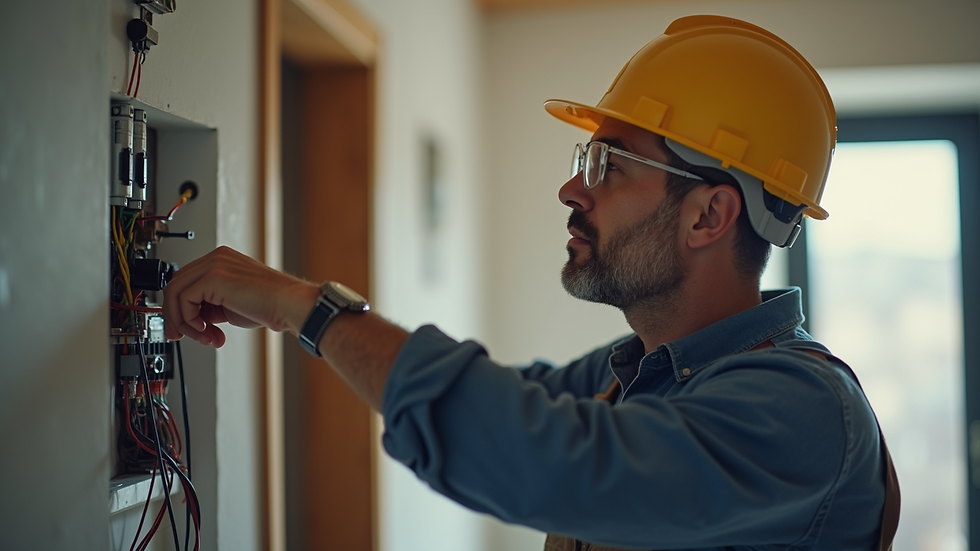
Electrical System: Inspectors test outlets, switches, and the electrical panel to ensure safety and code compliance.
Plumbing: They look for leaks, water pressure issues, and the condition of pipes and fixtures.
Heating and Cooling Systems: The HVAC system is evaluated for efficiency and potential repairs.
Interior and Exterior: Doors, windows, insulation, and ventilation are checked for damage or inefficiency.
Appliances: Built-in appliances may be tested to confirm they work properly.
This comprehensive review helps you understand the home’s overall health and any immediate or future concerns.
How a Pre-Purchase Inspection Protects Your Investment
Imagine buying a home only to find out later that the foundation is compromised or the electrical wiring is outdated and unsafe. These problems can cost tens of thousands of dollars to fix and may even affect your family’s safety.
A pre-purchase inspection acts as a safeguard. It:
Identifies safety hazards: Faulty wiring or mold can pose serious health risks.
Prevents unexpected costs: Knowing about repairs upfront helps you avoid financial strain.
Supports informed decisions: You can decide whether to proceed, renegotiate, or walk away.
Enhances resale value: Addressing issues early keeps your home in good shape for the future.
For instance, a buyer in Raleigh, NC, discovered termite damage during an inspection. This allowed them to negotiate treatment costs with the seller, saving thousands.
Tips for Choosing the Right Home Inspector
Not all inspectors are created equal. To get the most from your inspection, consider these tips:
Look for certification: Choose inspectors certified by reputable organizations.
Check experience: Find someone familiar with local building codes and common regional issues.
Read reviews: Past client feedback can reveal reliability and thoroughness.
Ask about the report: Ensure you’ll receive a clear, detailed written report with photos.
Attend the inspection: Being present allows you to ask questions and learn about the home firsthand.
Selecting the right professional ensures you get accurate information and a smooth inspection process.
Taking Action After the Inspection
Once you receive the inspection report, it’s time to act:
Review the findings carefully: Understand which issues are critical and which are minor.
Discuss with your realtor: They can help you negotiate repairs or price adjustments.
Get repair estimates: For major problems, obtain quotes from contractors.
Decide your next steps: You may proceed with the purchase, request fixes, or reconsider the offer.
Remember, the goal is to make a confident, informed decision that protects your investment and your family’s well-being.
By prioritizing a pre purchase home inspection when buying a home, you take control of your purchase. This step uncovers hidden issues, supports negotiation, and helps you plan for the future. It’s a practical, wise choice that brings peace of mind and confidence in your new home.
If you’re in Raleigh, NC, and want a trusted, reliable inspection service, consider PeakPoint Inspections. Their clear, comprehensive reports and experienced inspectors make the process straightforward and reassuring.
Your home is one of your most valuable assets. Protect it with a thorough inspection before you buy.


